Visit Esthetique Dental Office Today Or Call: (817) 741-1240


Veneers 101: Understanding the Cost, Benefits & Drawbacks of a Hollywood Smile

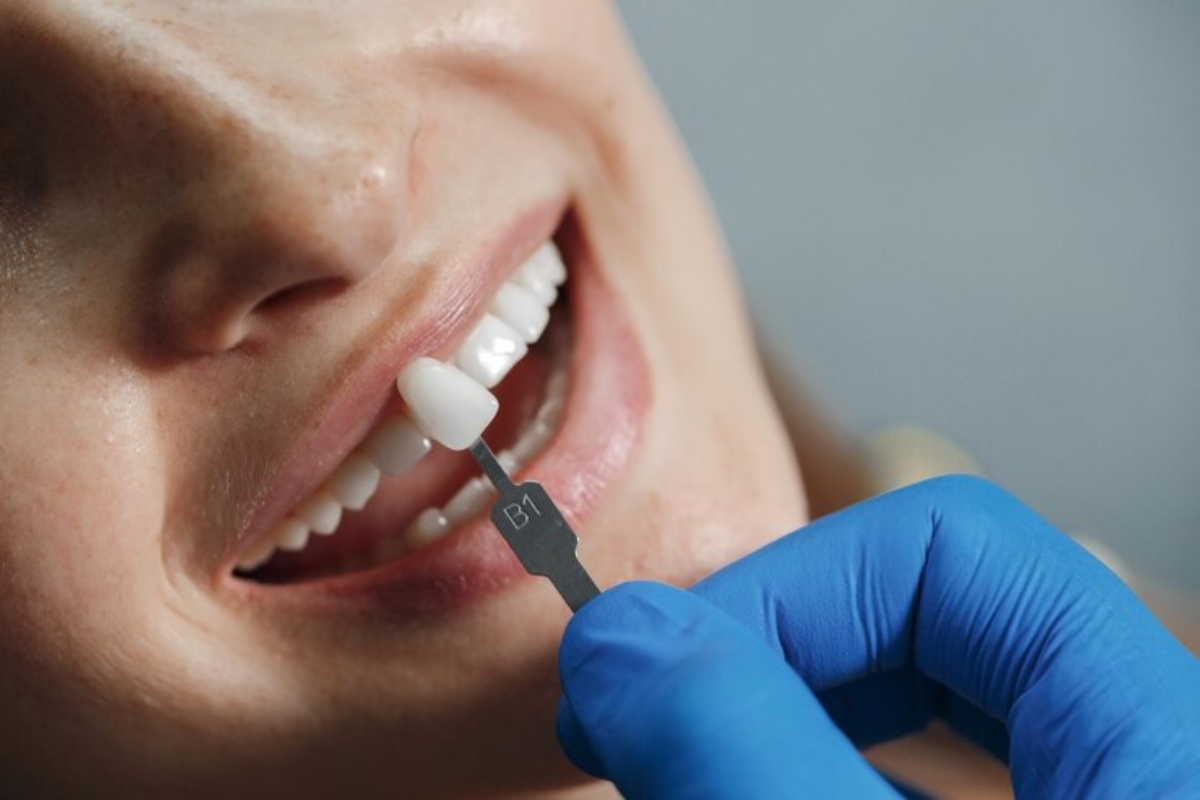
Dreaming of a flawless smile? Dental veneers offer a transformative solution for correcting teeth imperfections like discoloration and shape irregularities. Before diving into this cosmetic procedure, it’s crucial to weigh the facts.
What Are Veneers?
Veneers are thin, durable shells made from materials like porcelain or composite resin. They are custom-made to fit over the front surface of your teeth, enhancing aesthetics by covering stains, chips, or gaps.
When to Consider Veneers
Veneers are ideal for:
- Severe tooth discoloration that doesn’t respond to whitening treatments
- Correcting minor dental imperfections like gaps or chips
- Achieving a quick smile makeover for special occasions
Who Should and Should Not Get Veneers?
Ideal Candidates:
- Those with healthy teeth and gums
- Individuals seeking cosmetic enhancement rather than functional correction
- Patients with realistic expectations about the limitations and upkeep of veneers
Not Suitable for:
- People with active gum disease or untreated cavities
- Individuals who grind their teeth (bruxism) excessively
- Those needing significant orthodontic corrections for malocclusion
Types of Veneers
- Porcelain/Ceramic Veneers: Known for durability and stain resistance, suitable for more severe tooth damage.
- Composite Resin Veneers: Cost-effective, applied in a single visit, ideal for minor enhancements.
- No-Prep Veneers: Thin shells applied without extensive tooth preparation, suitable for specific cases but may have durability considerations.
Dental Veneers Procedure
The process involves:
- Consultation: Discussing goals, evaluating dental health, and choosing the type of veneers.
- Preparation: Removing a thin layer of enamel, taking impressions, and placing temporary veneers if needed.
- Application: Bonding veneers to prepare teeth using dental cement and curing them with a special light.
- Follow-Up: Checking fit, bite alignment, and scheduling necessary adjustments.
How to Care for Veneers
Maintaining veneers requires:
- Good oral hygiene practices: Brushing, flossing, and regular dental check-ups.
- Avoiding habits like teeth grinding and using a night guard if necessary.
- Being mindful of dietary choices to prevent staining.
Cost of Veneers
Veneer prices range widely:
- The cost per tooth can vary, with full sets typically averaging around a specific amount.
- Dental insurance typically does not cover cosmetic procedures, making veneers an out-of-pocket expense.
Pros and Cons of Veneers
Pros:
- Enhance smile aesthetics dramatically
- Durable and stain-resistant materials
- Effective for addressing various dental imperfections
Cons:
- High initial cost and potential for replacement every 10-15 years
- Irreversible process involving enamel removal
- Inability to whiten veneers alongside natural teeth
Alternatives to Veneers
Consider:
- Dental Bonding: Cost-effective repairs for minor tooth damage.
- Teeth Whitening: Non-invasive treatment for improving tooth color.
- Dental Crowns: Suitable for more extensive tooth restoration.
- Orthodontics: Addressing underlying alignment issues for long-term results.
Conclusion
While veneers offer an excellent solution for achieving a perfect smile, it’s essential to consult with a qualified cosmetic dentist to determine the best option for your dental needs and goals. Schedule a consultation with Esthetique Dental, the cosmetic dentist in Keller today. Our experienced team specializes in enhancing smiles with personalized care and advanced techniques. Visit our website to learn more.
**Disclaimer: This content should not be considered medical advice and does not imply a doctor-patient relationship.