Visit Esthetique Dental Office Today Or Call: (817) 741-1240


A Complete Guide to Dental Bridges: Finding the Best Option for Your Smile


Missing teeth can change more than your smile, affecting how you chew, speak, and feel. If you are seeking options to restore your bite, dental bridges offer a reliable, natural-looking solution. But not all the varieties are the same. Knowing your options can help you decide on your long-term oral health.
In Keller and surrounding communities, patients often ask, “What type of bridge is right for me?” Let’s explain in clear terms.
What Are Dental Bridges?
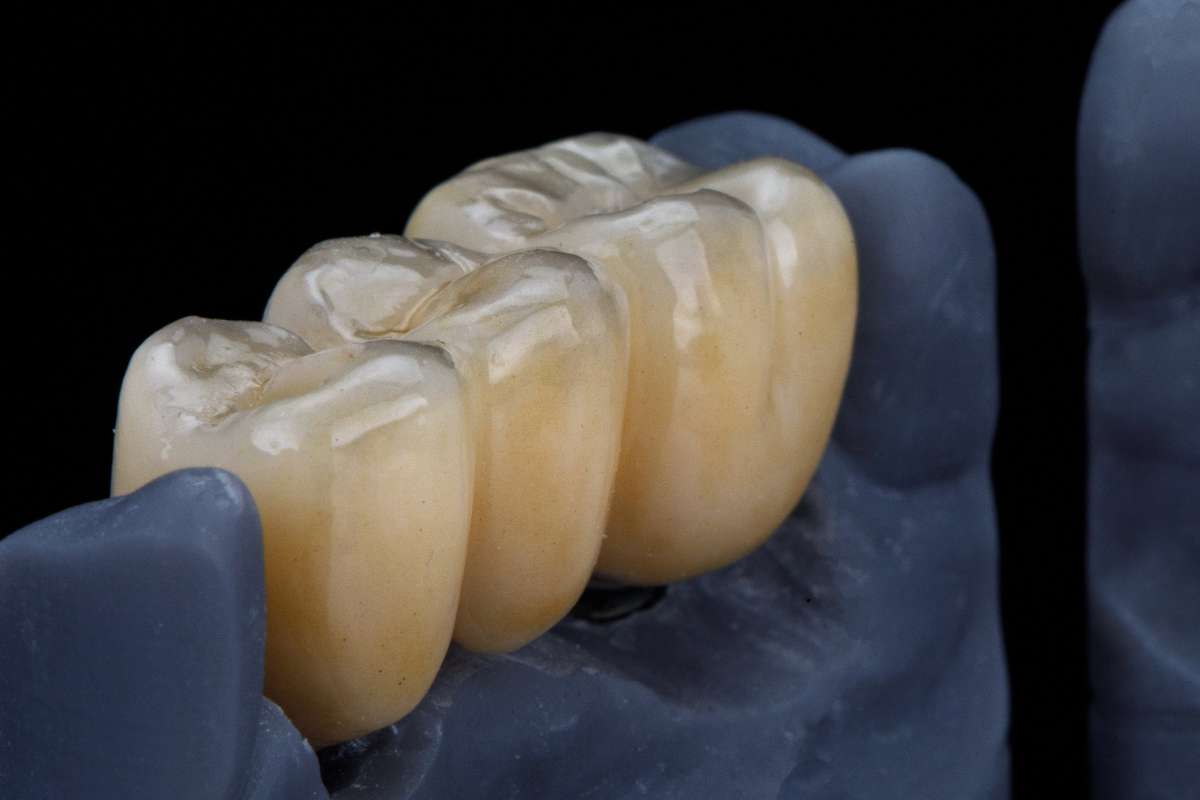
They are fixed prosthetic devices used to replace single or multiple missing teeth. They bridge the gap between remaining natural teeth. These restorations include an artificial tooth (called a pontic) held in place by crowns or wings attached to neighboring teeth.
They aren’t removable like dentures; they are cemented or bonded in place and designed to look and function like natural teeth.
Types of Dental Bridges Explained
There are three main types of dental bridges commonly used in modern dentistry. Each has advantages, depending on your tooth position, oral health, and bite strength.
1. Traditional Fixed Bridge
This is the most widely used type. It involves:
- Placing crowns on the two teeth adjacent to the missing tooth
- Anchoring a porcelain or ceramic false tooth in between
These are ideal for patients with healthy teeth on both sides of the gap. They’re strong and durable, perfect for molars and areas under heavy chewing pressure.
2. Cantilever Bridge
Cantilever bridges are used when only one supporting tooth is next to the gap.
- It is bonded to a single adjacent tooth
- It’s typically placed in the front of the mouth, where bite force is lower.
While not as strong as traditional ones, they’re helpful in cases where only one side has a stable supporting tooth.
3. Resin-Bonded Bridge (Maryland Bridge)
This conservative option is often used to replace front teeth.
- A plastic tooth is attached using metal or porcelain wings
- These wings are bonded to the back of adjacent teeth with dental resin
It requires minimal alteration of natural teeth and is a cost-effective choice for non-chewing surfaces.
How Is a Dental Bridge Placed?
Your journey begins with a dental exam and digital imaging. Once the type of bridge is selected:
- The adjacent teeth are prepared (if needed)
- Impressions are taken to design your custom bridge
- A temporary bridge may be placed
- Once ready, the permanent bridge is cemented in place
The whole process is usually done within 2 visits.
Benefits of Getting a Bridge
Living with missing teeth isn’t just a cosmetic issue. A properly-placed bridge can:
- Restore full chewing ability
- Prevent teeth from shifting out of position
- Improve speech and clarity
- Support facial structure and confidence
- Offer a long-lasting, fixed solution
Getting dental bridges in Keller is a step toward restoring function and comfort in your daily life.
A Better Smile Starts with the Right Bridge
Choosing the right bridge depends on your unique needs and goals. Whether you need strength for chewing or a subtle fix for front teeth, there’s a type of bridge designed to meet your situation.
At Esthetique Dental, we specialize in creating custom solutions that bring back your natural smile and oral function. If you’re ready to restore your confidence, schedule your consultation today to explore your options for dental bridges in Keller.
**Disclaimer: This content should not be considered medical advice and does not imply a doctor-patient relationship.