Visit Esthetique Dental Office Today Or Call: (817) 741-1240


Complete vs Partial Dentures: Which Do You Need?


If you are missing one or more teeth, you are probably exploring ways to restore your smile, and dentures are the perfect fit. But with terms like “complete” and “partial” dentures floating around, it is easy to feel a little lost. This blog will break down the difference between the two, so you can figure out which one can help you in the best way possible. Whether you are new to therapy or want to better understand your options, this guide will help you make an informed choice.
Understanding Your Tooth Replacement Options
Tooth loss can happen for many reasons, including gum disease, trauma, and aging. When multiple teeth are missing, dentures are the most common solution. These are custom-made prosthetic devices designed to replace dental gaps and support the surrounding tissues of the mouth.
But not all false teeth are created equal. There are two main types, namely, complete dentures (also known as full dentures) and partial dentures. The right choice depends on how many teeth you are missing and where. During diagnosis, the dentist assesses your oral condition to suggest the best approach to fixing the issue.
What Are Complete Dentures?
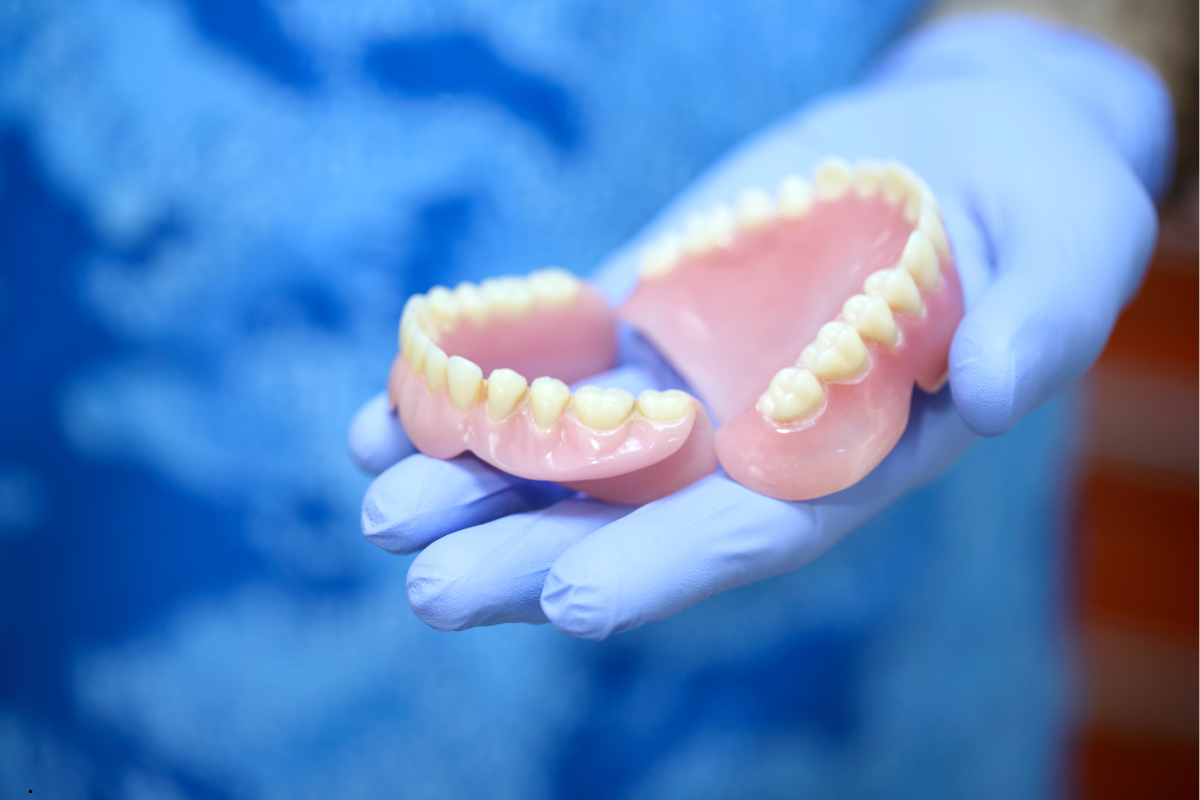
Complete dentures are used when all natural teeth are missing in either the upper or lower jaw or both. They are made of acrylic and rest directly on the gums.
Types Of Full Dentures For Tooth Replacement
- Immediate Dentures: Placed right after tooth extraction, so you never go without teeth.
- Conventional Dentures: Fitted after your gums have healed, offering a more precise and comfortable fit.
For many years, Americans have trusted this solution for restoring facial shape and overall appearance. It makes chewing and speaking effortless, so people who have lost most or all teeth in a row can make the most of it.
When Are Partial Dentures The Better Fit?
Partial dentures are the go-to option when you still have some natural teeth remaining. These are designed to fill the gaps between missing teeth and attach to your existing ones using clasps or precision attachments. They blend in naturally with your existing teeth, improving oral functionality and aesthetics. Moreover, dental plates are custom-made for your mouth, which can be easily removed for cleaning, just like full-arch prosthetics.
Benefits Of Partial Plates Include:
- Preservation of Remaining Teeth: They keep natural teeth from shifting out of place.
- Aesthetic Improvement: They restore the appearance of your smile.
- Better Function: They make chewing and speaking easier.
Moreover, partial dentures are often used as a transitional solution or a long-term alternative when dental implants cannot be used as a therapy.
Comparing Denture Options For Your Dental Needs
Your lifestyle, oral health, and smile goals play a significant role in choosing between the two restorative treatments.
When Are Full Dentures the Best Choice?
- All your teeth are missing or beyond repair.
- You want a full smile restoration.
- You are looking for an alternative to implants.
When To Choose Partial Dentures For Tooth Gaps
- You still have several healthy teeth.
- You are looking for a minimally invasive solution.
- You need a quick, effective way to fill gaps.
Working with an expert specializing in dentures in Keller ensures you receive a personalized plan that fits your needs. They will help you weigh the pros and cons based on your mouth’s condition and comfort.
Talk To Our Dentist About Your Missing Teeth Treatments In Keller, TX
Choosing between complete and partial dentures does not have to be overwhelming. With the guidance of a trusted dental professional and a clear understanding of your options, you can regain the comfort, confidence, and functionality. Our team is here to help you through the procedure, from your first consultation to your final smile. So, if you are ready to explore your options for replacing missing teeth, schedule a visit with our friendly team today. Let’s restore your smile together.
**Disclaimer: This content should not be considered medical advice and does not imply a doctor-patient relationship.