Visit Esthetique Dental Office Today Or Call: (817) 741-1240


Dental Implants vs. Mini Implants: What You Need to Know

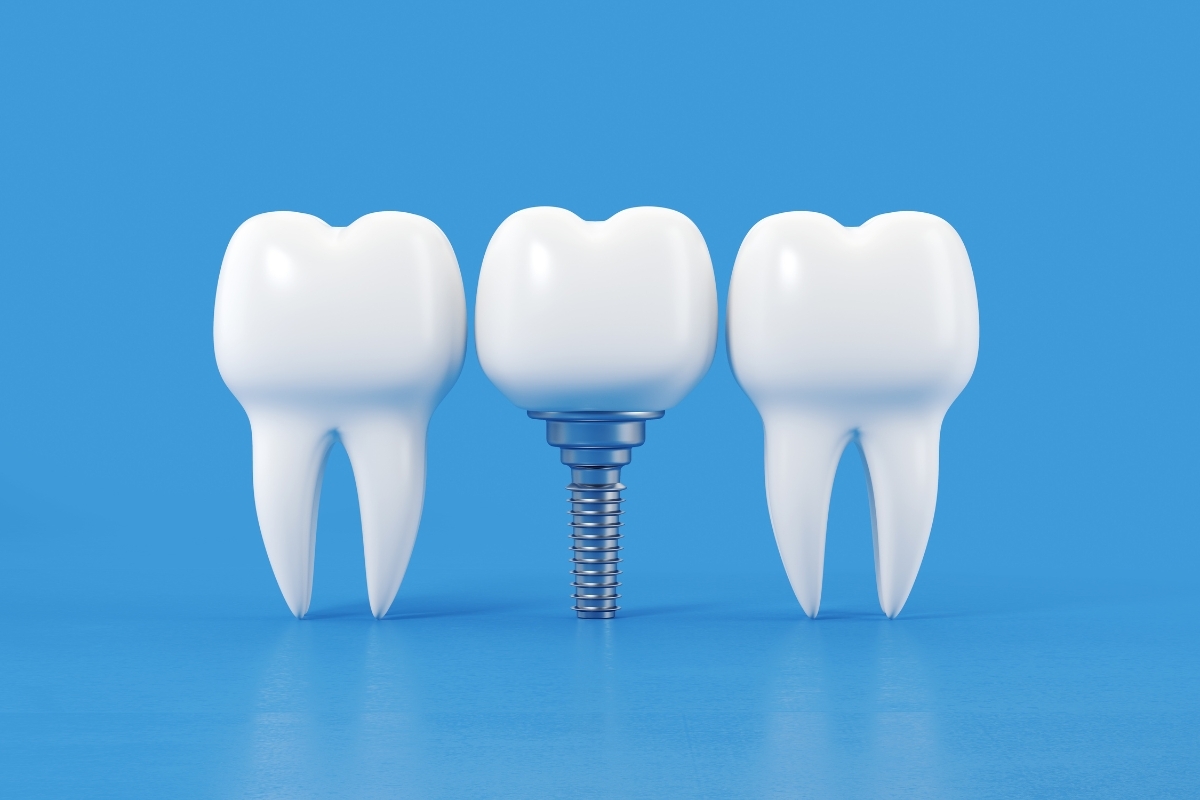
When it comes to replacing missing teeth, dental implants offer a reliable and natural-looking solution. However, with options like traditional dental implants and mini dental implants, it’s essential to understand their differences to make an informed decision. At Esthetique Dental Implants in Keller, we are committed to helping you choose the best option for your needs. In this blog, we’ll explore the key differences between traditional and mini dental implants, their benefits, and which might be right for you.
Size Matters: Traditional vs. Mini Dental Implants
Traditional dental implants generally have a diameter ranging from 3 to 6mm, whereas mini dental implants are about half the size. Here’s why size matters:
- Bone Density: Mini dental implants are often used for patients with insufficient bone density. They can be a suitable option for those who have experienced bone resorption, making them ideal for adults and older people.
- Strength and Durability: While mini dental implants can be highly secure, they are generally not as strong as traditional implants due to the reduced support from the jawbone. For maximum durability, traditional implants are preferred.
Attachment Process: How Implants Secure Your New Tooth
Both types of implants require a two-step process:
- Initial Placement: The titanium post (the implant) is placed into the jawbone. This process is followed by a period called osseointegration, during which the implant fuses with the bone.
- Tooth Attachment: For traditional dental implants, an additional component called an abutment is attached to the implant, and then the new tooth (crown) is secured. In contrast, mini dental implants often feature a small ball at the end of the post, eliminating the need for an abutment and allowing the crown to be attached directly.
Materials and Longevity
At Esthetique Dental, we use titanium for all our implants due to its biocompatibility and strength. Both traditional dental implants and mini dental implants are made from this durable material, which integrates well with the jawbone. Here’s what you should know:
- Traditional Implants: These implants are designed to last a lifetime with proper care, including regular brushing, flossing, and bi-annual cleanings.
- Mini Implants: Although they may have a slightly shorter lifespan, mini implants are still a reliable option. Further research is ongoing to determine their long-term durability.
Choosing the Right Implant for You
Here are some key factors to consider when choosing between traditional and mini dental implants:
- Bone Density: If you have sufficient bone density, traditional implants might be the best choice. If not, mini implants could be a viable alternative.
- Treatment Speed: Mini implants often involve a faster procedure, which can be beneficial if you need a quicker solution.
- Aesthetic Outcomes: Both types of implants provide a natural appearance, so your choice will mainly depend on structural needs and treatment goals.
Conclusion
Understanding the differences between dental implants and mini dental implants can help you make an informed decision about tooth replacement. If you have further questions or need a consultation, Esthetique Dental is here to assist you. Schedule an appointment with us to discuss your options and find the best solution for your dental needs.
**Disclaimer: This content should not be considered medical advice and does not imply a doctor-patient relationship.