Visit Esthetique Dental Office Today Or Call: (817) 741-1240


Your Practical Guide to Preventing Dental Caries and Cavities

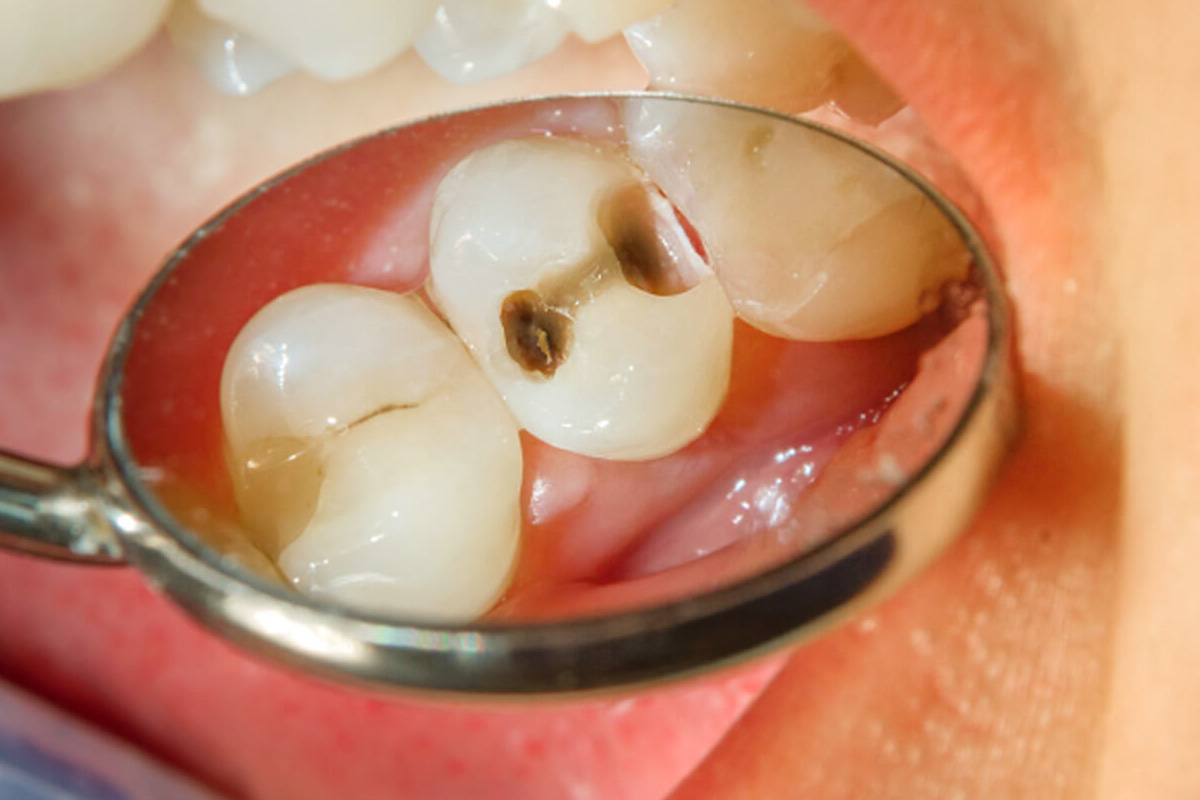
Dental caries, the clinical term for tooth decay that produces cavities, is one of the most widespread chronic health conditions in the world. Yet it is also almost entirely preventable. The gap between those two facts is largely explained by a combination of misinformation, inconsistent habits, and a tendency to only think about oral health when something already hurts. Understanding how decay actually develops and what genuinely stops it is the foundation for prevention that actually works.
Families in Keller know the value of being proactive. Whether it is preparing for the North Texas weather swings, staying ahead of busy school schedules at Keller ISD, or maintaining a home in one of the city’s well-kept neighborhoods, planning ahead is in the local DNA. Dental prevention works the same way. Dr. Darshan P. Patel, a skilled Keller Dentist at Esthetique Dental, helps patients build habits and routines that genuinely reduce cavity risk rather than simply reacting to problems after they develop.
How Cavities Actually Form
Decay is not simply the result of eating sugar. It is the result of a specific chain of events: bacteria in the mouth metabolize fermentable carbohydrates and produce acids as a byproduct. Those acids lower the pH in the mouth and dissolve the mineral content of enamel in a process called demineralization. When the mouth does not have adequate time to remineralize — to restore those minerals using calcium and phosphate from saliva — the net mineral loss over time produces cavities.
This means that frequency of sugar exposure matters at least as much as quantity. Sipping a sugary drink steadily for an hour creates more acid cycles than drinking the same beverage in ten minutes. Snacking continuously keeps pH depressed for longer than eating at defined mealtimes.
Evidence-Based Strategies That Actually Prevent Decay
- Fluoride — the cornerstone of prevention: Fluoride interrupts the demineralization process and promotes remineralization of enamel that is in early decay stages. Fluoride toothpaste used twice daily is non-negotiable. Professional fluoride treatments at checkups provide additional reinforcement, particularly for patients with higher risk.
- Limit snack frequency, not just sugar content: Every time food or drink enters the mouth, an acid cycle begins. Consolidating eating and drinking to defined mealtimes — rather than grazing throughout the day — gives saliva time to neutralize acid and remineralize enamel between exposures.
- Dental sealants for children: Sealants applied to the chewing surfaces of back teeth fill the deep grooves where bacteria and food particles accumulate. They are one of the most cost-effective preventive interventions available for children and provide meaningful protection through the cavity-prone early years.
- Drink more water — especially fluoridated water: Water rinses sugars and acids from tooth surfaces and stimulates saliva production. Keller’s municipal water supply is fluoridated, making tap water a simple and effective daily tool for oral health.
- Floss daily without exception: Interproximal surfaces — the sides of teeth that touch each other — are consistently among the most common sites for cavity development because they cannot be reached by a toothbrush. Daily flossing is not optional for anyone serious about preventing decay.
- Address dry mouth proactively: Saliva is the mouth’s natural defense against decay — it buffers acid, delivers minerals to enamel, and mechanically removes bacteria. Reduced saliva flow from medications, mouth breathing, or medical conditions dramatically increases cavity risk. Discuss this with Dr. Patel if it applies to you.
- Regular professional cleanings: Professional cleanings remove calcified deposits that daily brushing and flossing cannot address, and checkups allow Dr. Patel to identify early decay before it requires invasive treatment.
Frequently Asked Questions
Q: If my teeth feel fine, could I still have early cavities?
A: Yes. Early-stage decay does not cause pain. Sensitivity and discomfort typically appear once decay reaches the dentin layer, by which point a larger filling or more extensive treatment is required. Regular X-rays at your checkup are the only reliable way to catch cavities before they become symptomatic.
Q: Are some people just more prone to cavities genetically?
A: Genetics do play a role — in enamel density, saliva composition, groove depth of back teeth, and the specific bacterial composition of the oral microbiome. But even patients with a genetic predisposition can dramatically reduce their decay rate with the right preventive strategies.
Q: My child gets cavities despite good brushing. What is going wrong?
A: Snack frequency, juice or sports drink consumption, the effectiveness of technique, and whether flossing is happening are worth examining closely. Sealants and professional fluoride treatments may also make a significant difference. A consultation with Dr. Patel will help identify the specific factors driving the problem.
Q: Is xylitol gum actually helpful for cavity prevention?
A: Yes, with caveats. Xylitol is a sugar alcohol that cannot be metabolized by cavity-causing bacteria, reducing acid production. Chewing xylitol gum after meals also stimulates saliva flow. It is a useful supplementary tool, not a replacement for brushing, flossing, and fluoride.
Prevention Is Always Easier Than Treatment
Cavities are not inevitable. With the right habits and regular professional support, the vast majority of patients can keep their teeth healthy and intact for life. Dr. Darshan P. Patel and the team at Esthetique Dental are here to build a prevention plan that fits your lifestyle. Schedule your visit today.
**Disclaimer: This content should not be considered medical advice and does not imply a doctor-patient relationship.