Visit Esthetique Dental Office Today Or Call: (817) 741-1240


Is a Bad Taste in Your Mouth a Dental Warning Sign?


People often enjoy the unique blend of small-town charm and close-knit community. With events like the Keller Farmer’s Market and the annual Keller Fest, the city brings everyone together. It brought together all the food lovers and families in a way that truly reflects the local lifestyle. However, what happens when something as simple as a bad taste in your mouth disrupts this daily routine?
A bad taste can be more than just an aftereffect of a meal; it might be a dental warning sign. It’s easy to brush it off as a passing issue, but persistent bad taste could indicate something that requires your attention. If you’ve been experiencing a lingering unpleasant taste, it could be time to talk to a dentist in Keller.
What Causes a Bad Taste in Your Mouth?
A bad taste can occur for various reasons, ranging from minor irritants to more serious health concerns. Here are some common causes:
Dry Mouth (Xerostomia)
Saliva plays a crucial role in cleansing your mouth, and when you don’t produce enough, it can cause an unpleasant taste. This condition can be caused by dehydration, medications, or even breathing through your mouth while sleeping.
Gum Disease
Gum disease, or periodontal disease, can lead to a persistent bad taste in the mouth. If left untreated, this condition can cause serious oral health issues. Gum disease develops when bacteria accumulate around your gums, leading to inflammation, bleeding, and foul-smelling breath.
Tooth Decay
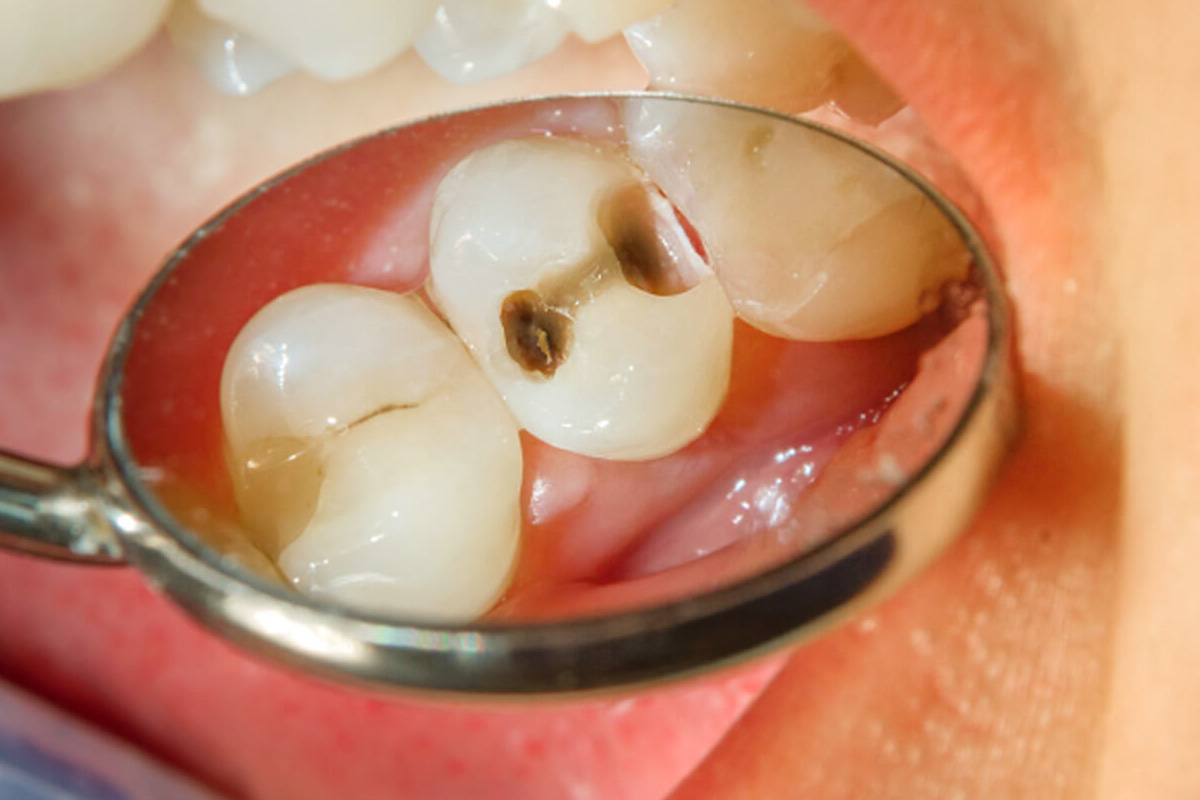
Tooth decay and cavities are often accompanied by a sour or metallic taste. When bacteria invade the decayed areas of your teeth, they produce acids that contribute to an unpleasant taste and smell.
Infections
Oral infections, such as an abscessed tooth or infected gums, can produce a bad taste. Infections usually cause pain, swelling, and pus, but the bad taste can be a first indicator that something’s wrong.
Acid Reflux
When stomach acid travels back into the esophagus, it can leave a bitter taste in your mouth. This is often associated with heartburn or gastroesophageal reflux disease (GERD), a common digestive issue that affects many people.
How to Address a Bad Taste in Your Mouth?
While there are numerous causes, the key to addressing the issue lies in proper oral hygiene and timely intervention. Let’s look at some steps to take if you experience a persistent bad taste:
- Brush and Floss Regularly: A thorough brushing and flossing routine can help remove food particles and plaque, preventing the buildup of bacteria that causes bad taste.
- Stay Hydrated: Drinking plenty of water can keep your mouth moist, alleviating dry mouth and washing away any lingering bacteria.
- Use Mouthwash: Antiseptic mouthwashes can help kill bacteria and improve the taste in your mouth.
- Visit Your Local Dentist: If the bad taste persists despite home care, it’s essential to seek professional help to ensure that an underlying condition isn’t causing the issue.
What Could Happen if You Delay Treatment?
Here are the possibilities:
Worsening of Gum Disease
If the cause of your bad taste is gum disease, delaying treatment can lead to more severe stages, such as periodontitis. This can result in gum recession, tooth loss, and the spread of infection to other areas of your mouth and even other parts of your body.
Increased Tooth Decay and Cavities
Ignoring a bad taste caused by tooth decay can lead to the rapid deterioration of your teeth. As cavities progress, they can cause pain, swelling, and infection, potentially requiring more invasive treatments like root canals or extractions.
Complications from Infections
If the bad taste is linked to an oral infection, such as an abscess, delaying treatment can allow the infection to spread. It will eventually lead to more severe pain, tooth loss, and potential complications like sepsis, which can affect your overall health.
Ongoing Digestive Issues
When the bad taste is due to acid reflux or GERD, ignoring the issue may lead to chronic discomfort and damage to your esophagus. It could even increase the risk of conditions such as esophageal cancer.
Long-Term Breath Issues
Prolonged untreated bad taste caused by bacteria or infections can lead to persistent bad breath (halitosis). It may affect your social interactions and self-esteem.
Get Relief from Your Bad Breath with Us
Does your bad breath last more than a few days, or is it accompanied by pain, swelling, or bleeding? In Keller, we are fortunate to have professionals ready to diagnose and treat a wide range of dental concerns.
If you’re dealing with an unpleasant taste that doesn’t go away or any other oral concerns, contact our dentist in Keller. At Darshan P. Patel, DDS, DPh, PLLC – Esthetique Dental, we are here to help you. Our team is here to help you get to the root of your dental issues, ensuring your smile stays healthy and vibrant.
Frequently Asked Questions (FAQs)
1. Why do I constantly have a bad taste in my mouth?
A persistent bad taste could be due to dry mouth, gum disease, or an infection. It’s essential to maintain good oral hygiene and consult your dentist for an accurate diagnosis.
2. Can a bad taste be a sign of tooth decay?
Yes, tooth decay can lead to a bad taste in your mouth due to the bacteria that thrive in decaying teeth. A dentist can help identify the problem and recommend treatment.
3. How can I prevent a bad taste caused by dry mouth?
Keeping hydrated, using saliva substitutes, and avoiding certain medications that cause dry mouth can help. Regular dental visits can also address any underlying causes.
4. What are the best ways to address a bad taste from gum disease?
Regular brushing, flossing, and professional cleanings can help manage gum disease. If left untreated, it could lead to more severe complications, so it’s essential to see a dentist regularly.
5. Is acid reflux causing my bad taste?
If you have frequent heartburn or a sour taste, acid reflux might be the cause. Consult with your dentist or a medical professional to manage this condition properly.
**Disclaimer: This content should not be considered medical advice and does not imply a doctor-patient relationship.